


Good Morning,
Let’s try to summarize the latest Semiconductor News of the last few weeks. Nvidia’s Earnings were as triumphant as usual and Broadcom’s Q1 2026 earnings (reported March 4, 2026) were widely considered a “beat and raise” performance, driven almost entirely by the explosive demand for AI infrastructure. Demand for GPUs and the push for more datacenter capacity is as frantic as ever.
The February 25th Earnings of Nvidia, was easily one of its best ever and entering the realm of numbers hard to quantify for the average onlooker or even investor:
Record-Breaking Revenue: NVIDIA reported a massive $68.1 billion in quarterly revenue, a 73% increase year-over-year. This pushed its total fiscal year 2026 revenue to a record $215.9 billion, up 65% from the previous year. Meanwhile Broadcom’s AI Semiconductor Revenue was up 106% YOY to $8.4 Bn.
Surging Demand for AI Chips (Nvidia’s Earnings)
Revenue in the data center business climbed 75% from a year earlier to $62.3 billion.
I might sound repetitive to try to quantify the beat: Nvidia’s total revenue for the quarter climbed 73% from $39.3 billion a year earlier.
As the demand for ASICs improves in 2026 and 2027 due to capacity issues, Alphabet is expected to make more revenue with its own chips its Ironwood 7th gen YPUs.
This demand for compute in the age of inference is also way more expensive for the likes of OpenAI and Anthropic, likely eating into their margins. We will know more when they go public in a few months in the second half of 2026.
The BigTech capex explosion in 2026 is a further acceleration from previous increases and putting pressure on bottlenecks like TSMC and the HBM providers.
Data center revenue came in at $62.3 billion for the quarter, ahead of expectations for $60.69 billion, according to StreetAccount.
Nvidia said revenue for the fiscal first quarter will be $78 billion, plus or minus 2%. Nvidia is certainly executing well.
ASML Diversifying
Based on recent reports from early 2026, ASML is expanding its focus beyond its traditional, near-monopoly position in Extreme Ultraviolet (EUV) lithography into several key, high-growth areas to support the AI demand.
Advanced Packaging Tools for AI Chips: ASML is moving into the market for tools that stack and connect multiple specialized chips.
Next gen Business: High-NA EUV (The Next Big Machine).
ASML has officially added Hyper-NA to its long-term roadmap (targeted for around 2030)
AI-Driven Metrology and Inspection, e.g. XT:260 Scanning Tool.
Nvidia linked to TSMC is a huge Bottleneck
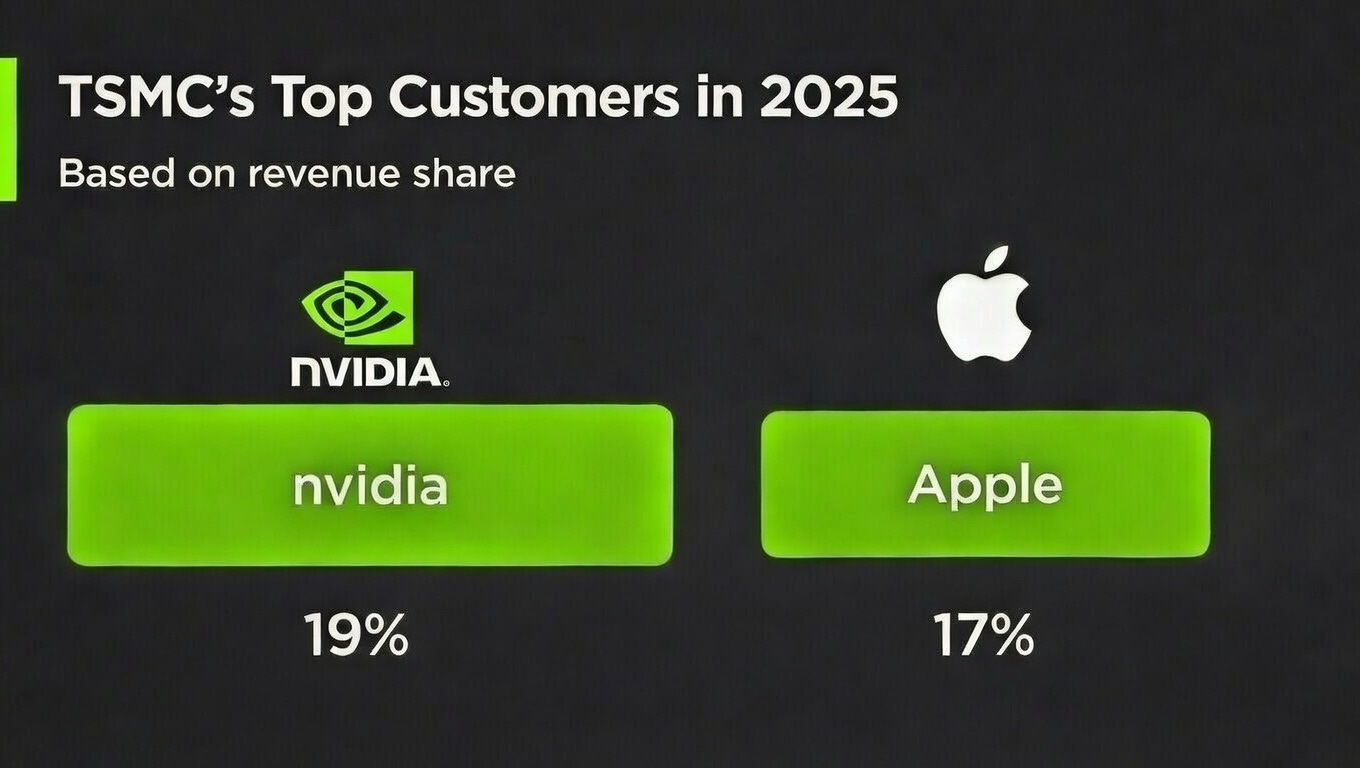
Nvidia officially became TSMC’s #1 customer in 2025, toppling Apple for the first time in over a decade, as AI continues to change everything. Nvidia accounted for 19% of TSMC’s revenue, NT$726.97 billion (US$23.4 billion), more than twice the NT$352.27 billion from 2024.
With Nvidia building an HQ in Taiwan, or even a couple, it’s seriously interesting.
GTC is already right around the corner Nvidia’s big conference which will tell us a lot more about the next era of GPUs.
China Still so Far Beyond in Semiconductors
Top Chinese semiconductor executives have called for a coordinated national effort to develop operational lithography systems during the 2026-2030 period, underlining Beijing's push for greater technological self-reliance.
As the likes of Nvidia, TSMC and ASML increase their R&D and Capex, it’s difficult for China to make progress fast enough to catch up. China simply might not have the talent, capital and capability of catching up to global leading companies. Certainly not anytime soon.
Power on: ⚡
AI data centers projected to consume ~25% of U.S. electricity by 2030
The U.S. electricity power bottleneck is about to get really in the later 2020s. President Trump announced that major AI companies—including Amazon, Google, Meta, Microsoft, OpenAI, Oracle, and xAI—signed the Ratepayer Protection Pledge at the White House on March 5, 2026.
The pledge requires these firms to fully fund new power plants, grid upgrades, and infrastructure for their AI data centers without passing costs to American households.
This aims to keep electricity prices down—or even lower them—while supporting U.S. AI leadership. But is it a pledge BigTech will keep?
OpenAI’s Major Deal with AMD
As you might have heard, it’s a very big deal. Basically AMD and OpenAI have entered a multi-year strategic partnership to deploy up to 6 gigawatts of AI computing capacity, a deal expected to generate tens of billions of dollars in revenue for AMD. As part of this landmark agreement, OpenAI will use AMD’s next-generation Instinct MI450 GPUs starting in 2026 and has been granted warrants to acquire up to a 10% stake in AMD based on hitting specific deployment milestones.
As the pie keeps growing, so does AMD’s small place in it: AMD 0.00%↑
2020: $10B revenue, ~$1.4B operating profit
2025: $35B revenue, ~$3.7B operating income
2028E: $85B revenue, ~$28B operating income
Alphabet’s share of the AI chip market is expected to grow in the 2026 to 2030 period with its own TPUs and the increased demand for them (ASICs in general).
🌍 Semiconductor Bits & Bites 📱
Foxconn (Taiwan) is confident on its Nvidia Vera Rubin-related market share and shipment volumes, media report, citing Young Liu, chairman of the world’s biggest AI server maker. “We are deeply involved in early-stage development and new products (NPI) with our customers,” he said, adding AI demand is so strong,
Toyota supplier Denso makes bid to acquire chipmaker Rohm (Japan) for up to $8bn. Denso, the world’s leading automotive parts supplier and a key pillar of the Toyota Group, has made a massive $8.3 billion (1.3 trillion yen) bid to acquire the Japanese chipmaker Rohm. Rohm is a Kyoto-based semiconductor manufacturer known for its expertise in power management chips and Silicon Carbide (SiC) technology.
Taiwan is becoming South Korea’s top market for memory chip export growth as TSMC packages South Korean HBM memory chips with Nvidia GPUs before shipping them to the US, media report. Taiwan accounted for 28.6% of all South Korean chip exports last year, up from 6% in 2020, a total US$27.08 billion.
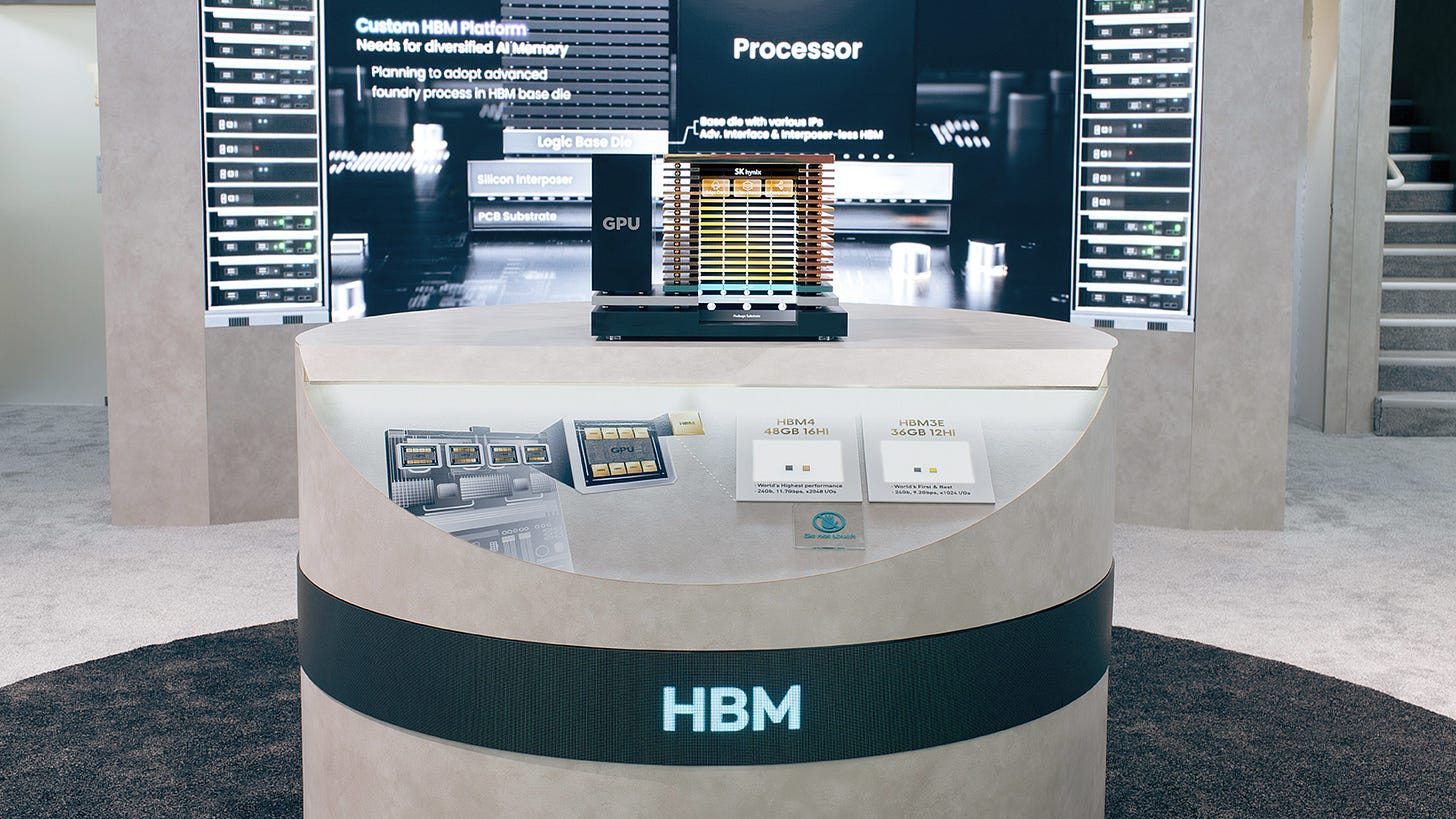
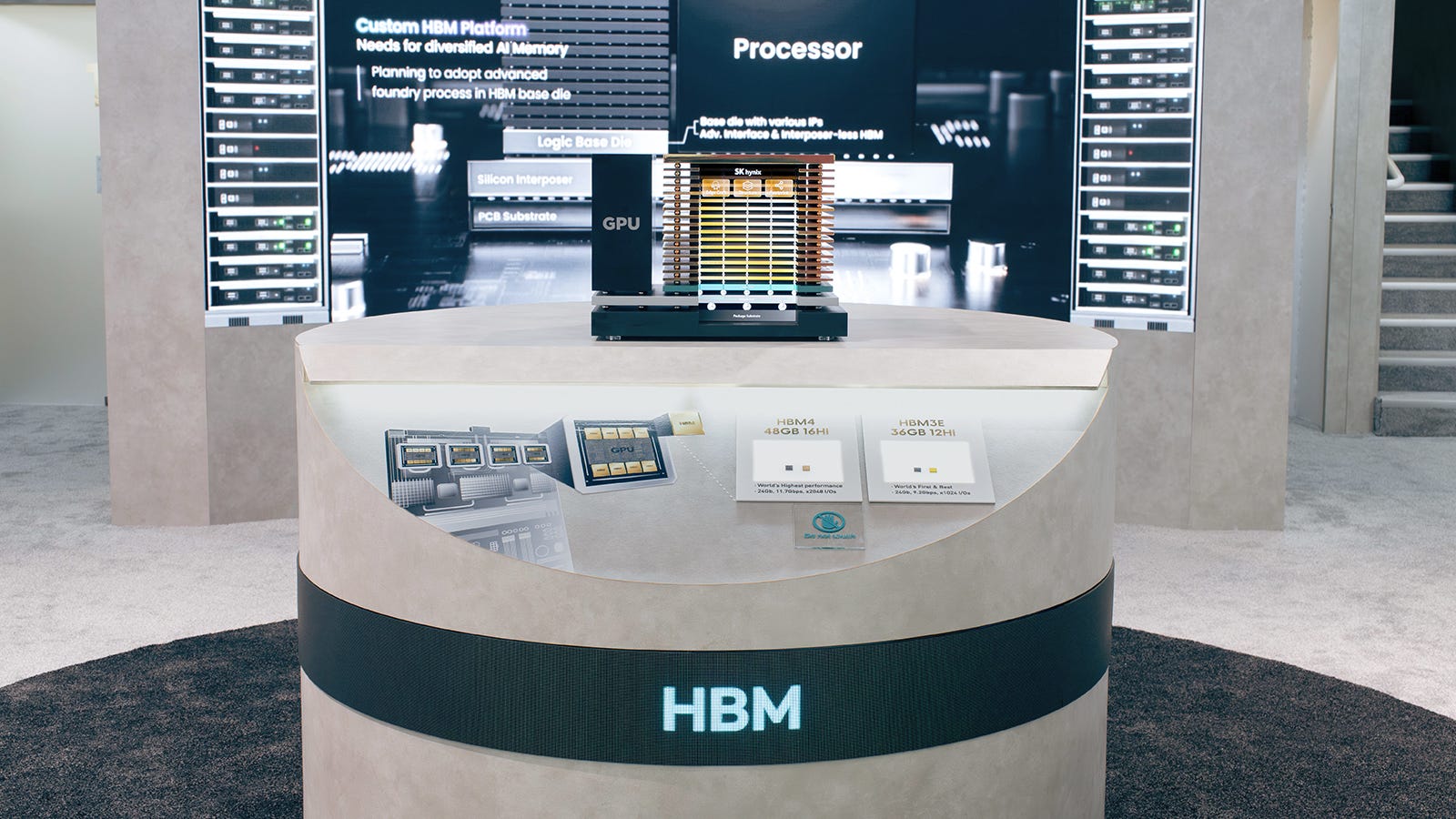
HBM chip shortages and supply issues are starting to become a major issue in 2026. As of March 2026, the High-Bandwidth Memory (HBM) shortage has evolved from a temporary bottleneck into a structural "supercycle."
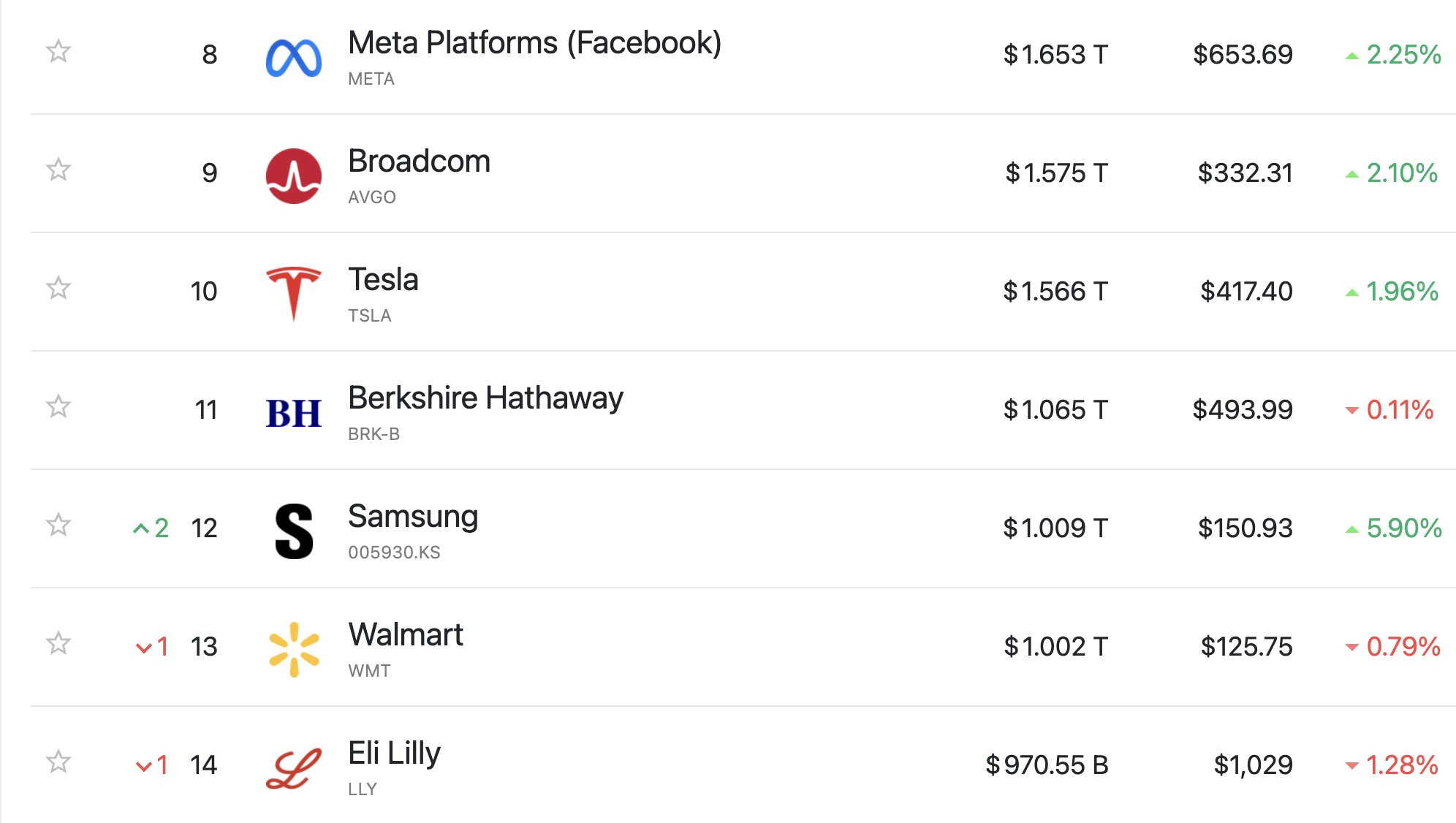
Samsung (In Feb, 2026) becomes the first Korean company to reach a $1 trillion market capitalization.
This Newsletter is decidedly Taiwan and TSMC centric, since it’s curated from analysts here and my own various sources.
